Youth Impact Leaders: Building The Future
Published on March 10, 2026 by Glasswing
In Guatemala and Honduras, thousands of young people continue to face uncertainty, adversity, and difficult decisions about their future. In communities where there is violence and social exclusion, and educational and employment opportunities are limited, leaving your community can seem like the only path toward a safe and stable future.
But this doesn’t have to be the case.
The Youth Impact Leaders (JLI) program – a service-learning initiative funded exclusively with the support of The Howard G. Buffett Foundation – proves that when young people are trusted, supported, and given real opportunity, they choose to stay, to lead, and to strengthen the communities where they live.
To date, more than 13,824 young people have participated in this program, driving positive change in themselves and their communities.
The Program
JLI provides youth ages 15 to 22 with their first work experience, leadership development, socio-emotional support, community service field placements, and a six-month stipend that eases financial pressure and allows participants to continue – or return to – their education. All participants volunteer for at least 6 months, and implement a community-wide initiative, as part of the program. Their economic endeavors are diverse: some get a full-time job, while others start small businesses, such as raising chickens, manufacturing shoes, or opening neighborhood beauty salons, supermarkets, and restaurants that now employ neighbors.

Nancy, a participant from Honduras, saved her stipend, built a small store in her village, legalized it, and saved enough of her income to open another business.
“I“I see myself having Pulpería La Distinta in many villages, reaching different places so people know I am there. We are going to grow,” said Nancy, participant, Honduras.
Young People as Leaders
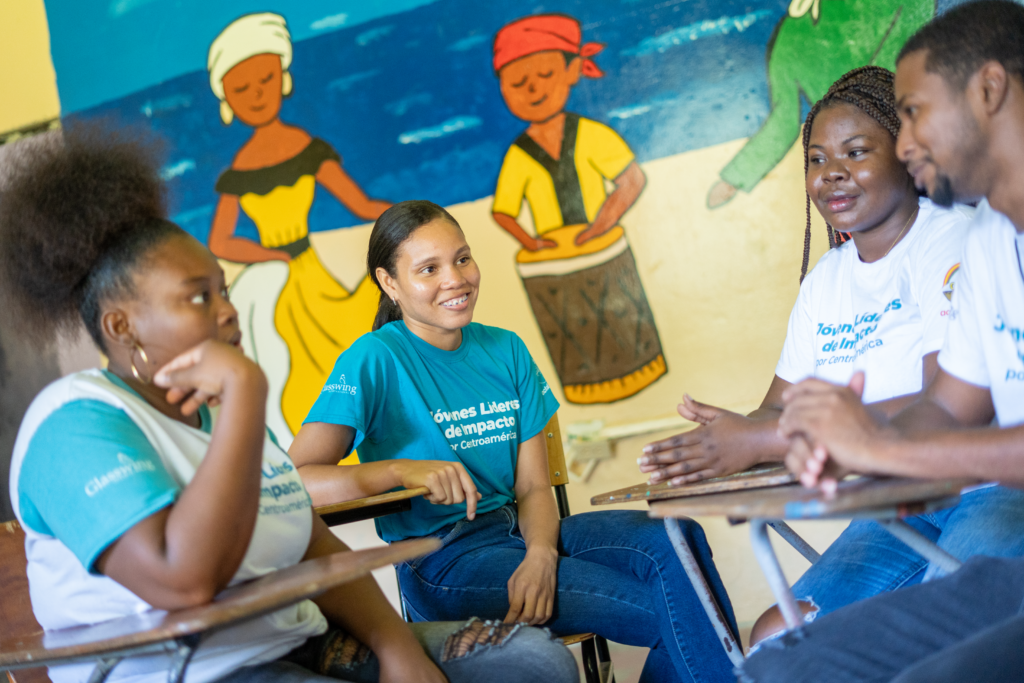
Service-learning is at the heart of the JLI model. Through this methodology, young people acquire personal, professional, and leadership skills while actively contributing to their communities. This project has worked with over 1,500 different community organizations, where young people have done their field placements.
In a Mayan community in Quiché, four young women rebuilt their village’s long-abandoned communal gathering space, earning public recognition as local leaders. Others have restored local libraries, built community laundry stations (where previously, women walked miles carrying heavy loads to the river), and created after-school programs for younger children.
As of the beginning of 2026:
- 473 community projects were implemented in Guatemala and Honduras
- 92% of youth demonstrated leadership skills
- 96% of community stakeholders now perceive youth as agents of change and valuable contributors to local development
- 87% of participants defined their professional interests thanks to service-learning
In communities with few resources and low expectations for youth, these accomplishments are profound, for the participants and for those around them.
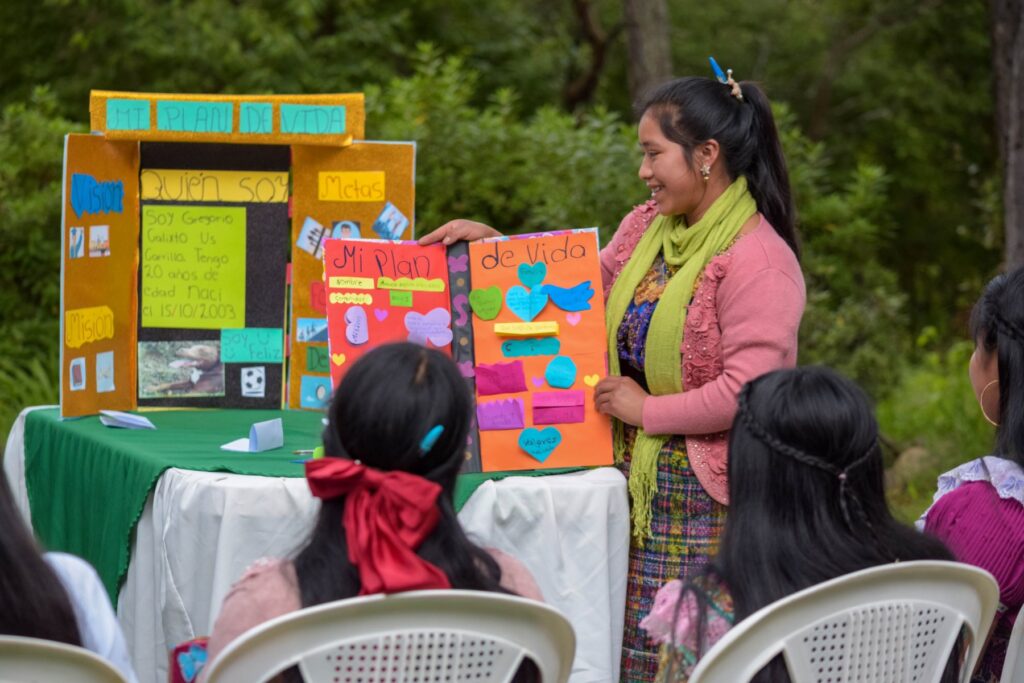
Wendy, a 21-year-old from Guatemala, had paused her studies due to financial hardship. Through JLI, she completed community service at the Ministry of Agriculture, followed by an internship at a local company. Thanks to her excellent performance, she secured a formal administrative position, where she continues to work while preparing to resume high school and eventually pursue a nursing degree. “The Wendy from two years ago did not have clear goals. Today, I’m working. I want to finish my studies, and I already have a life plan,” she said.
This is how systems shift: these young people are now recognized as leaders, shaping their own futures and their communities.
Access to Employment and Entrepreneurship
By working with local partners, the JLI program is able to connect participants with real opportunities for employment and entrepreneurship. Program participants report earning income equal or higher than the minimum wage in their counties — a significant achievement in contexts where unemployment is a growing social challenge.
Coupled with the receipt of stipends, youth participate in financial education workshops to learn to manage finances, run their own businesses, and make financial plans for the future. Almost 100% of participants opened their first bank accounts, strengthening their financial literacy and inclusion. These stipends were used strategically: to meet household basic needs, cover family health expenses, fund their education, and as investments in their futures.
A psychological shift takes place in these young leaders: they gain confidence, purpose, and a vision for a future in their own country. Hope is an invaluable metric, paving a way forward at home where there was none.
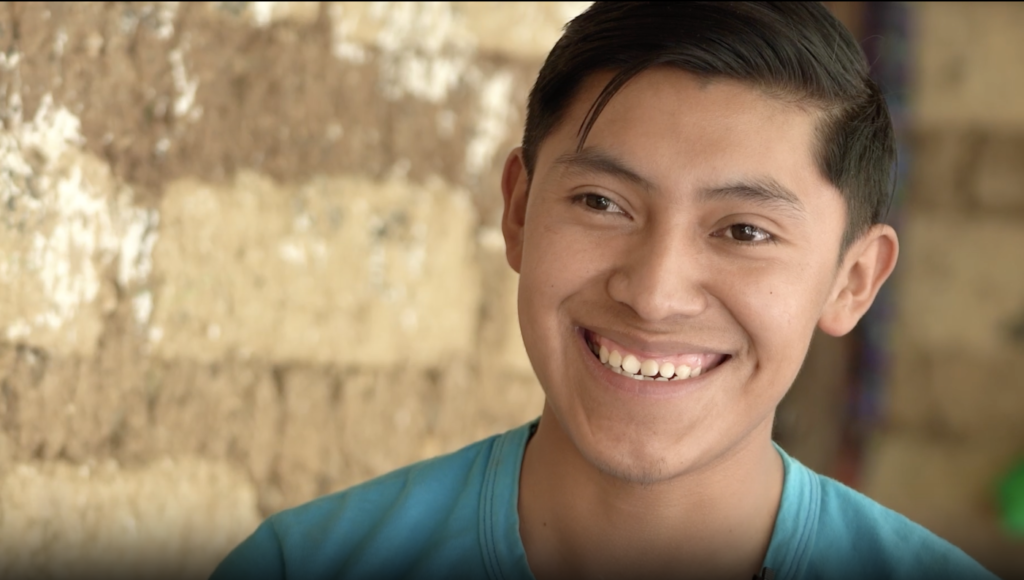
Maynor, a 20-year-old participant from Guatemala, has changed his life through JLI. He entered the program with no income. As a JLI participant, he created a small business that helped support his family while also enabling him to complete basic education and begin university studies.
Staying with Purpose
JLI’s results are compelling. Among youth aged 18 to 22 — the group at highest risk of migration — 99% continue living in their country even two or three years after completing the program. Amongst all participants, 98% chose to remain in their countries, having identified development opportunities close to their communities.
These data reflect meaningful geographic permanence. Moreover, they show a profound shift in how young people see their future: eighty-one percent of participants feel more hopeful about their socioeconomic future, and 89% identify economical and/or educational opportunities within their own community or country. Migration is no longer the only option when pathways toward stability and growth exist.
Staying Changes Everything
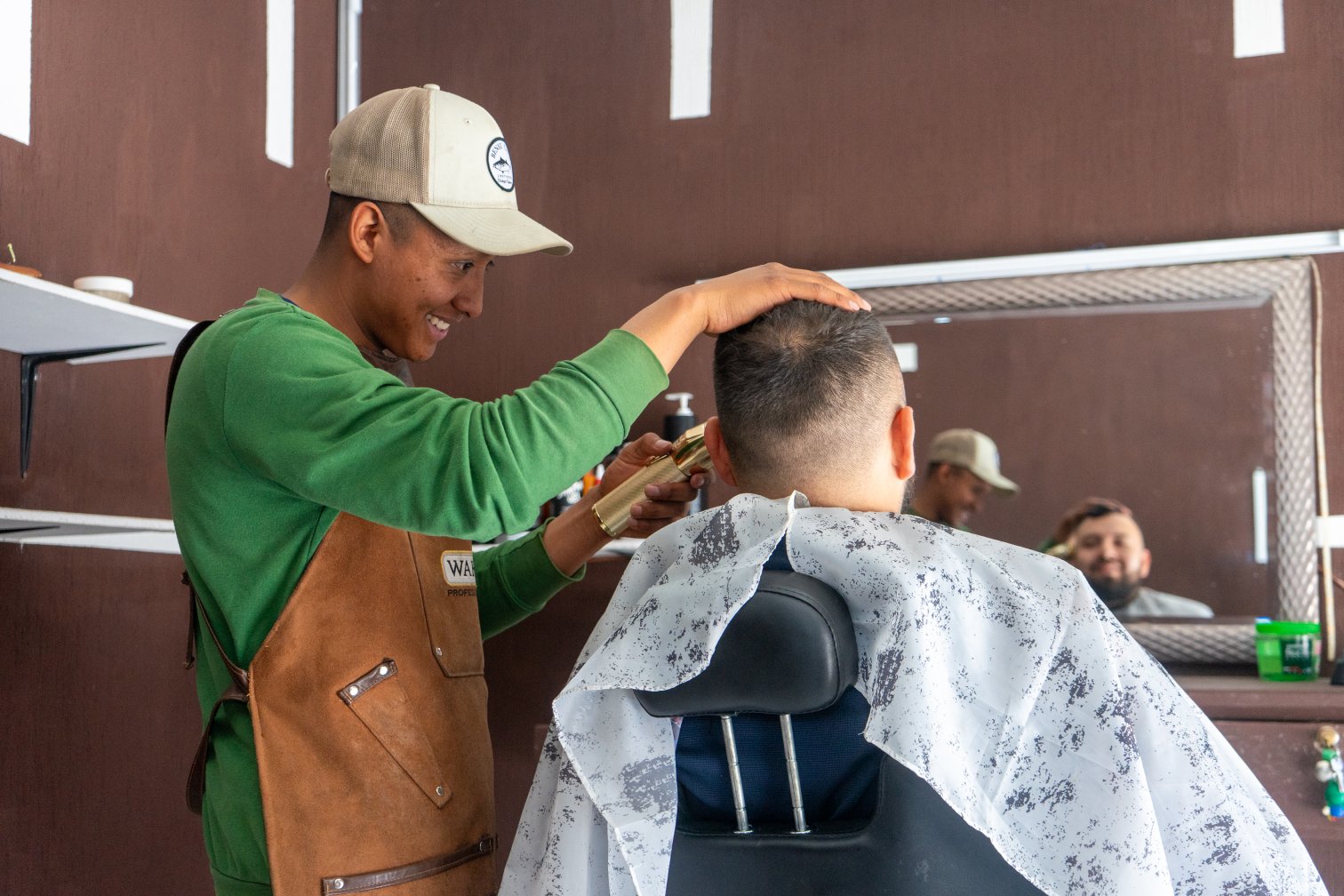
In partnership with Glasswing, the Howard G. Buffett Foundation invested in unlocking the human potential of thousands of young women and men, in both Guatemala and Honduras, catalyzing an ecosystem of support and opportunity.
JLI has demonstrated that when real opportunities exist — training, mentorship, community service, employment, and/or entrepreneurship — youth choose to take action and strengthen their communities.
For almost 14,000 young people in Guatemala and Honduras, staying, learning, and thriving at home is no longer a distant possibility, but rather a reality rooted in hope, possibility, opportunity, and solidarity.