Entrepreneurship from the Roots: Building toward the future
Published on March 10, 2026 by Glasswing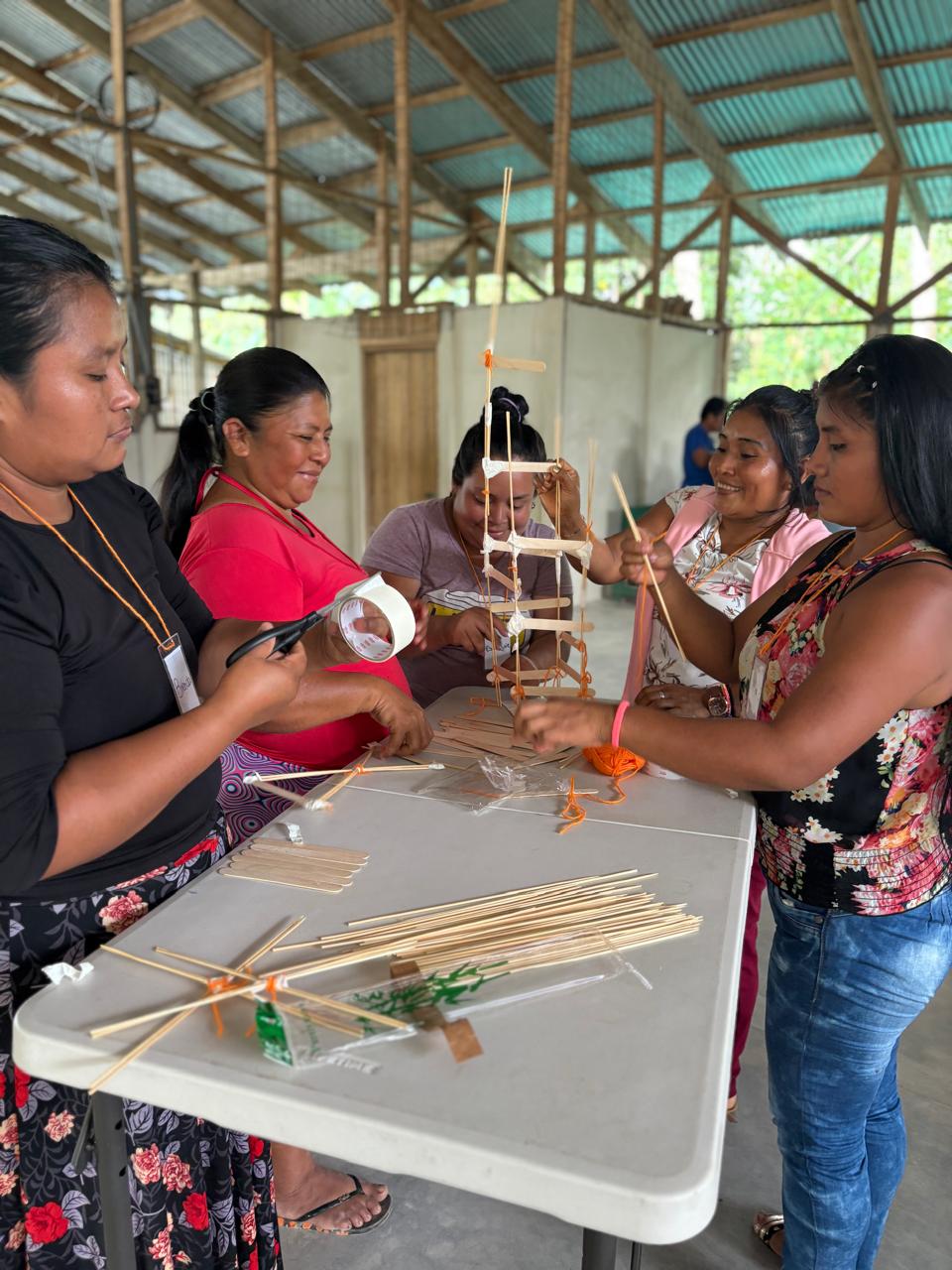
In the Tayní Indigenous Territory, in the province of Limón, Costa Rica, entrepreneurship is about more than starting a business. It is an act of autonomy, the dignification of community work, and the reaffirmation of cultural identity.
The Indigenous Autonomy Project, “A Hope Toward 2030: For the Autonomy and Multicultural Inclusion of the Indigenous Peoples of Costa Rica,” is implemented by Glasswing, Ayuda en Acción, and FUNPADEM. The initiative focuses on strengthening autonomous governance, multicultural inclusion, and the full exercise of economic and social rights in Indigenous communities.
Identity and Business Management
For six months, from August to December 2025, 120 participants engaged in a comprehensive 80-hour in-person training process. The program created a collective learning space that integrates ancestral knowledge with modern business tools. It was structured around three training pillars:
1. Leadership and Community Organization
Sessions focused on strengthening leadership, communication, conflict resolution, resilience, and emotional intelligence. In communities where decision-making is collective, enhancing these capacities means promoting self-management and community participation.
2. Business Management with Cultural Relevance
The second module addressed basic business administration, financial planning, creativity and innovation, marketing, and access to microcredit. The training emphasized adapting business tools to the rural Indigenous context.
3. Territorial Technical Specialization
In this component, participants selected a specialization based on their interests and local realities:
- Sustainable Indigenous tourism
- Regenerative agricultural production
- Animal husbandry with a circular economy approach
- Customer service with cultural relevance
Each module combined technical knowledge with traditional wisdom, reinforcing the idea that innovation does not mean losing one’s identity.
Karla is an example of how these tools transform lives. “When I joined, I didn’t know much about these topics, but now I’ve learned about entrepreneurship, and I’m using that knowledge to run my business.”

Entrepreneurship Fairs and Autonomy Toward the Future
One of the most meaningful moments of the program was the entrepreneurship fairs held in Gavilán and Jabuy, both territories in Limón. During these fairs, each participant experienced, for the first time, the direct process of marketing their products, engaging with customers, and presenting the results of months of training.
Economic autonomy is a fundamental pillar of community life. When communities strengthen their productive capacities while respecting their identity, they not only generate income — they consolidate their self-determination.
In Tayní, entrepreneurship is becoming a pathway toward a future where economic development and cultural identity are not opposites, but allies. Building from the roots also means building for the future.