SanaMente: Integrating Mental Health Services Across the Region
Published on March 10, 2026 by Glasswing
SanaMente continues to grow as a regional model that strengthens institutions, transforms practices, and promotes well-being within communities.
To date, 80,127 people have been trained, 24,387 people have received direct interventions, 3,807 institutions (hospitals, clinics, law enforcement, schools) have strengthened their capacities. Additionally, 2,326 people have been trained as interventionists and almost 1,000 as trainers of trainers (ToT). Through the work of frontline service providers, 6.8 million people receive trauma-informed services each year.
Beyond the numbers, the program’s true impact is reflected in the stories of the people and communities taking part in this work.
When Seeking Help Feels Safe
Flavia, a user of the health center in Salcajá, Guatemala, describes it this way:
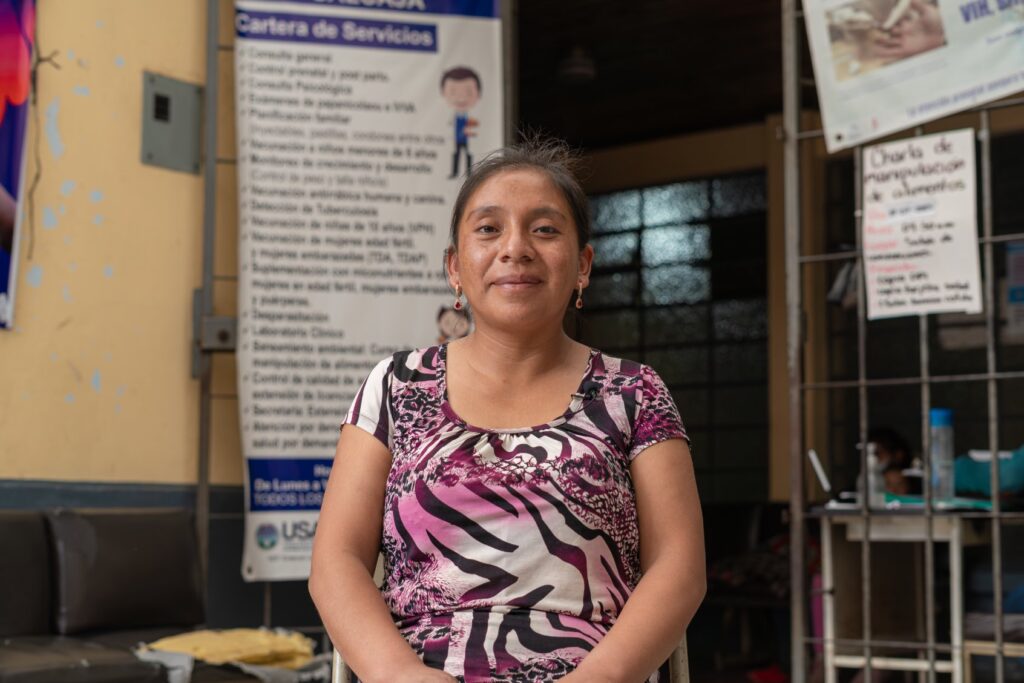
“I feel happy to see the progress at this health center. When you walk in, you feel heard and treated kindly. It wasn’t like that before; people seemed upset. You can really see a big change. Now you truly feel comfortable seeking help here.”
Flavia’s experience shows that a new way of supporting people is emerging within institutions, and the results are already visible:
- 87% of people served report greater trust in health institutions
- 92% say the tools they received improved their emotional well-being
Today, receiving care also means feeling heard, validated, and supported.
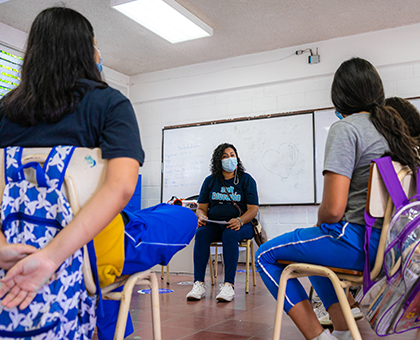
Educational Communities that Promote Well-Being
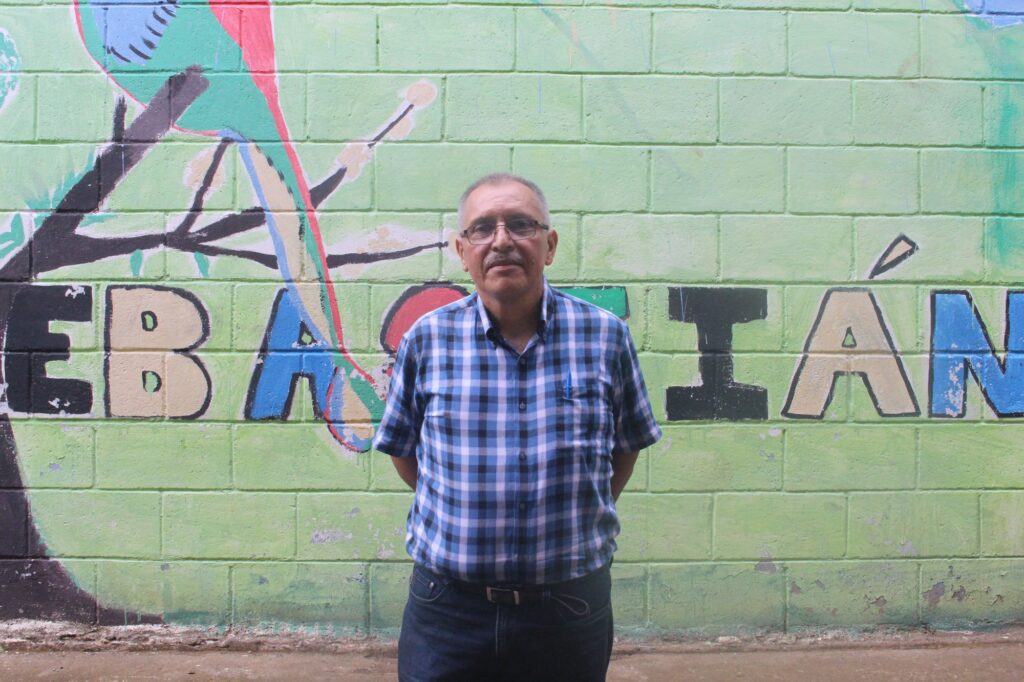
Daulin, vice principal of a school in El Salvador, introduced weekly well-being spaces in the classroom, incorporating dialogue, games, interaction, and active listening. These practices have improved the school environment and the relationships among students and teachers.
“The tools and reflections I gained during the training helped me remember that my role is also to provide quality care to children, creating spaces where they feel motivated, supported, and free to express themselves.”
Allison, a student at a school in Guatemala, shares how her relationship with teachers has improved:
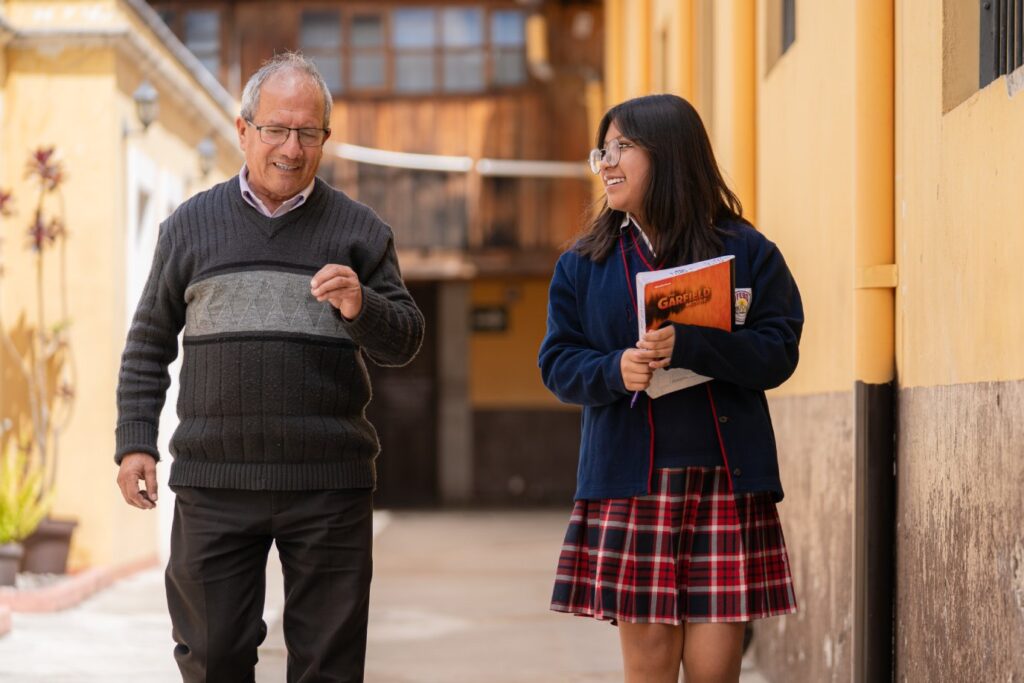
“My trust in teachers has increased a lot. I now feel free to talk about personal topics. They listen to us, give advice, and hold talks to help us feel better. Before, we didn’t show respect to each other; now respect is mutual. The well-being talks have helped me a lot — I can now solve problems better, both here and at home.”
Today, 91% of teachers trained in SanaMente incorporate practices that help regulate students’ emotions. As a result, conversations about well-being are becoming part of school culture.
Wellbeing on the Frontline
Adán, a supervisor of the Municipal Police in Honduras responsible for a team of 70 officers, faced shifts of up to 14 hours under high pressure. After participating in SanaMente training, he strengthened his emotional regulation, empathy, and communication skills.
Today, he prioritizes listening before reacting with violence and promotes a culture of well-being and respect within his team:
“The hardest part of my job is the emotional burden: I would spend up to 14 hours on the streets and go home stressed, irritable, with headaches. The training I received through SanaMente was a turning point. I learned to manage my emotions, to listen before reacting violently, and to make decisions more calmly. Now I enjoy my family more and promote a culture of well-being within my team.”
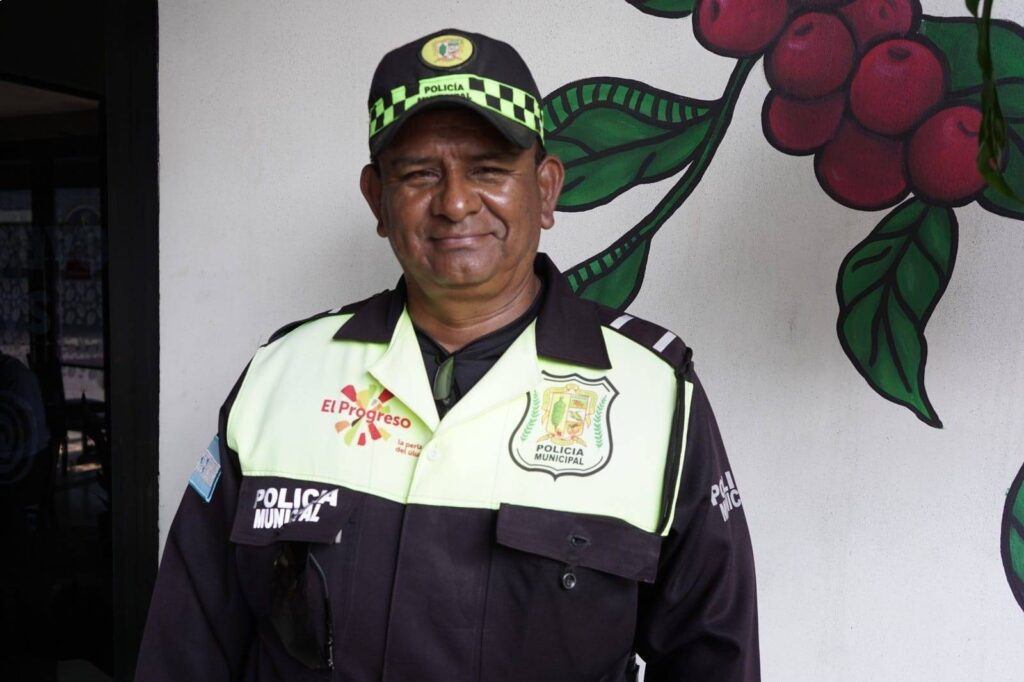
Adán’s story shows that behind every individual change, there is a broader institutional shift:
- 88% of police personnel report consistent levels of empathy in their interactions with the community
- 68% perceive a reduction in internal tensions within their institutions
What We Are Building Together
SanaMente is not just a training program. It is a model that is helping transform how institutions respond to crisis, stress, and violence. Every number represents a story, and together, they reflect institutions becoming more responsive, supportive, and human-centered.